Retail experts: Key drivers of growth and innovation in retail
Retail experts help brands improve sales, margins, and customer experience by combining deep retail operations, digital commerce, and strategy expertise across channels.

A retail expert is a specialist who applies deep knowledge of merchandising, consumer behavior, technology, and operations to improve performance for retailers and brands. These professionals diagnose problems, design solutions, and guide execution across the entire retail value chain, from supply chain to storefront to checkout.
Retail experts work across virtually every format in the retail industry: grocery chains, fashion retailers, big-box stores, shopping malls, eCommerce platforms, and omnichannel brands operating in North America, Europe, and Asia. Their expertise has evolved alongside the sector itself, expanding from traditional store management into digital commerce, data analytics, and experiential retail.
Many of today’s retail experts come from backgrounds in store operations, retail analytics, supply chain, UX design, marketing, or investment. They now consult for major retailers, lead strategy at retail companies, or advise on technology adoption. The term “retail expert” is broad, it can describe an independent consultant, a corporate retail director, or a recognized thought leader featured on global expert lists.
- Definition: A retail expert possesses specialized knowledge and hands-on experience across core retail domains, enabling them to improve sales, margins, customer experience, and operational efficiency.
- Scope: Expertise spans physical stores, digital channels, and the integration of both through omnichannel strategies.
- Background: Many experts started in store management, buying, category management, or retail technology before transitioning to advisory or leadership roles.
- Recognition: While there is no single certification, credibility comes from a track record of results, publications, speaking engagements, and inclusion in curated industry lists.
- Distinction: “Retail expert” differs from front-line roles like retail sales consultant; it implies strategic perspective, multi-year experience, and the ability to solve complex business problems.

Add from PixabayUploador drag and drop an image here
Clear alt text
Core areas of retail expertise
Credible retail experts typically combine experience across several core domains rather than mastering just one. The most effective experts understand how these areas interconnect, how assortment decisions affect inventory, how store design influences conversion, and how pricing strategy impacts both margin and customer perception.
- Merchandising and assortment planning: Category management, space planning, planogram development, and SKU optimization for verticals like apparel, grocery, and consumer electronics. Experts in this area work closely with buyers and visual merchandising teams to maximize sales per square foot.
- Customer experience and store operations: Traffic flow design, staff training, conversion optimization, queue management, and improvement of metrics like NPS and CSAT. A retail operator oversees these elements daily, ensuring the store runs smoothly while meeting customer expectations.
- Pricing and promotion strategy: Markdown optimization, loyalty program design, promotional calendars for events like Black Friday, Singles’ Day, and back-to-school, plus competitive price monitoring. These decisions directly affect both top-line revenue and bottom-line margin.
- Digital commerce and omnichannel: Click-and-collect (BOPIS), ship-from-store fulfillment, marketplace management, mobile app development, and unified customer data platforms. As commerce has evolved, expertise in connecting online and offline channels has become essential.
- Supply chain and inventory: Demand forecasting, replenishment systems, last-mile delivery coordination, and returns management for both stores and online channels. Experts use data and technology to anticipate demand and avoid costly stock-outs or overstock situations.
- Financial performance: P&L understanding, store-level profitability analysis, and fluency with KPIs such as sales per square foot, inventory turnover, shrink rates, and labor productivity. Retail experts link operational decisions to financial outcomes.
Types of retail experts and roles
“Retail expert” can refer to different professional profiles who influence the sector from various angles. Understanding these distinctions helps retailers identify the right partner for their specific challenges.
Retailers and business professionals often connect with these specialists through expert networks, which match companies to academic, consulting, analyst, technology, finance, and legal experts. Digital expert networks have particularly transformed how businesses access retail talent:
- Academic and research experts: Professors and directors at retail research centers at universities like Wharton, McGill, and Texas A&M publish studies on consumer insights, pricing, and store innovation. Their work shapes industry education and informs best practices.
- Consulting and strategy experts: Independent consultants, boutique firms, and global co-practices at major consultancies redesign store concepts, improve operations, and guide digital transformation. They serve clients across fashion, grocery, food service, and specialty retail.
- Analyst and media experts: Professionals at firms like Gartner, Forrester, and CB Insights, along with on-air retail reporters and podcast hosts, interpret market data and trends for investors and executives. Their reports and interviews provide critical insight into where the industry is heading.
- Technology and innovation experts: Leaders at retail tech companies, cloud providers, and AI startups focus on POS systems, retail media networks, AR/VR applications, RFID, and analytics platforms. They help retailers adopt and scale solutions that drive efficiency.
- Investment and finance specialists: Venture capitalists, private equity partners, and retail investment bankers evaluate and fund retail and consumer brands. A managing director or managing partner at these firms brings financial expertise combined with deep industry knowledge.
- Niche legal and safety experts: Witnesses and specialists in premises liability, store safety, accident reconstruction, and regulatory compliance support retailers facing litigation or security concerns. These experts appear in supermarkets, malls, restaurants, and big-box environments where safety is paramount.
Add from PixabayUploador drag and drop an image here
Clear alt text
How retail experts help businesses compete
Retailers face relentless margin pressure, digital disruption, and rapidly changing shopper expectations. Whether you lead a regional chain or a global brand, expert guidance can help you achieve measurable improvements and build competitive advantage.
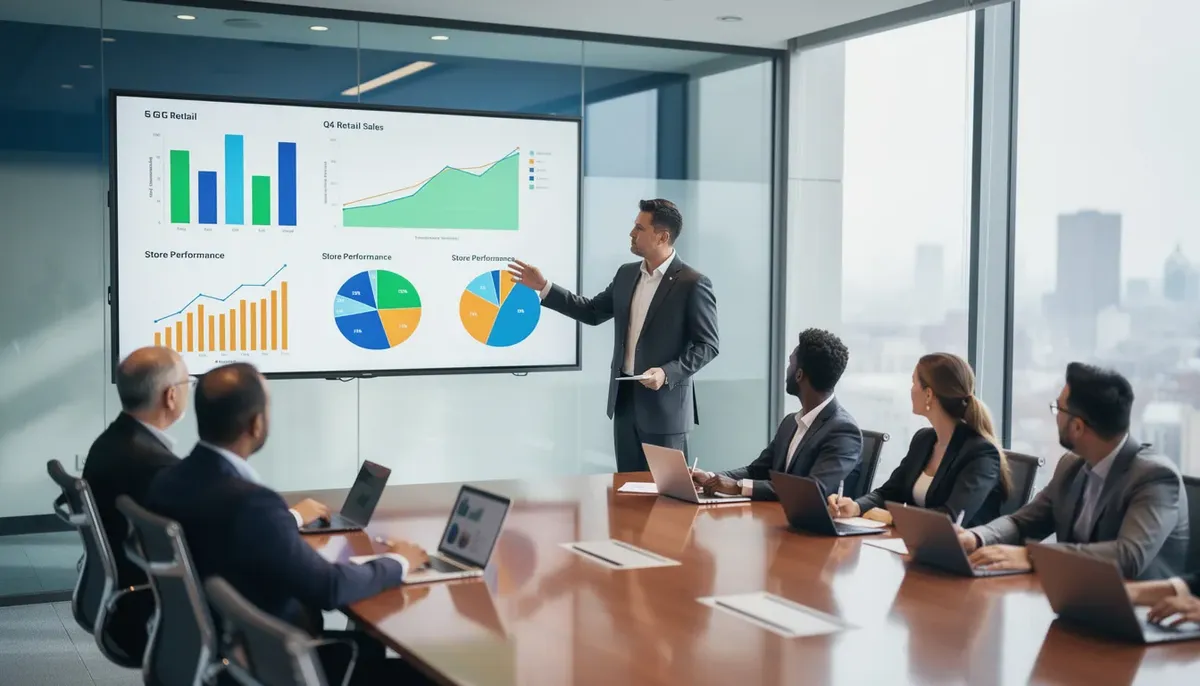
- Diagnosing performance issues: Experts analyze store traffic, conversion rates, basket size, and category profitability to identify where sales are leaking. A retail consultant might conduct a preliminary audit, reviewing processes, interviewing store managers, and benchmarking against competitors, to pinpoint root causes.
- Developing strategy: Experts build multi-year roadmaps for store remodeling, eCommerce expansion, marketplace entry, and new format launches such as smaller urban stores or experiential flagships. They help retailers focus on their core business while exploring opportunities to expand.
- Improving operations: Optimizing staffing models, standard operating procedures, inventory accuracy, and loss prevention reduces costs and elevates the customer experience. A retail operations expert might introduce weekly cycle counts, revise replenishment routines, or implement new training protocols to increase productivity.
- Enabling data and analytics: Experts help retailers use loyalty data, POS feeds, and third-party consumer insights to personalize offers, refine assortments, and design localized promotions. This data-driven approach supports better decision-making at every level.
- Integrating innovation and technology: Piloting AI recommendations, self-checkout, digital signage, and retail media networks, then scaling what works, requires expertise in both the technology and the retail context. Experts bridge the gap between vendors and store teams.
- Training and change management: Coaching store leaders, developing training programs for associates, and supporting cultural shifts are essential when adopting new tools and processes. Experts often work alongside HR and operations to ensure lasting change.
Becoming a recognized retail expert
Recognition as a retail expert comes from a combination of hands-on experience, measurable results, publications, and industry visibility, not from a single credential or certification. If you want to build a career as a retail leader or consultant, consider the following paths.
- Gain hands-on experience: Start in store operations, buying, category management, or eCommerce roles. Build a track record of improving KPIs, conversion, sales, margin, shrink, over several years. Many top talent in the field began on the sales floor before moving into strategy.
- Pursue formal education and continuous learning: Degrees in business, marketing, retail management, or data science provide a foundation. Supplement with ongoing courses in analytics, UX, and emerging retail tech to stay current as the industry has developed and evolved.
- Build thought leadership: Publish case studies, speak at retail conferences, appear as a host or guest on retail podcasts, and contribute articles to industry media outlets. Visibility establishes credibility and helps you connect with potential clients or employers.
- Specialize in a vertical: Choose a niche such as grocery, fashion, luxury, home improvement, or retail technology. Becoming known for deep expertise in one area, rather than surface-level knowledge across many, differentiates you from generalists.
- Network and join communities: Engage with retail councils and curated expert lists that showcase top professionals in academia, consulting, technology, media, and finance. Conferences and interviews offer opportunities to grow your reputation.
- Maintain ethical standards and credibility: Use transparent methodologies, base recommendations on data, and avoid conflicts of interest when advising clients or testifying as an expert witness. Your long-term reputation depends on honesty and results.
Add from PixabayUploador drag and drop an image here
Clear alt text
When and how to hire a retail expert
Retailers typically bring in external experts during inflection points: rapid growth, turnaround efforts, major technology upgrades, or litigation. Knowing when and how to engage the right person can make the difference between a successful transformation and a failed initiative. If you are weighing where to source one, this comparison of the best expert network platforms breaks down the main options.
- Common triggers for hiring: Declining same-store sales, low online conversion, safety or liability concerns, international expansion, re-platforming eCommerce or POS systems, or the need to improve a company’s security posture.
- Selection criteria: Look for relevant category experience (e.g., grocery vs. fashion), a documented track record with similar projects, strong references, and the ability to work collaboratively with in-house teams. A ceo or director should feel confident the expert understands their core business.
- Engagement models: Options include short diagnostic projects (a 90-day assessment), multi-month transformation programs, executive coaching, retainer-based advisory for ongoing strategy, or expert witness arrangements for legal matters. Choose the model that matches your need and budget.
- Setting expectations: Define scope, timeline, KPIs, and communication cadence before work begins. A clear agreement reduces friction and ensures both parties know what success looks like, whether that means increased sales, improved NPS, or a favorable outcome in court.
- Measuring impact: Track improvements in sales per square foot, margin, inventory turns, NPS, digital engagement, or legal outcomes after the expert’s involvement. Use these metrics to evaluate ROI and decide whether to continue or scale the relationship.
- Looking to the future: As AI, retail media, and new store formats continue to evolve, the role of the retail expert will keep expanding. Expect demand for specialists who can blend strategy, technology, and customer experience to grow, particularly as retailers seek to build sustainable competitive advantages.
Staying informed on retail expertise and trends
This closing subsection summarizes how you can keep up with leading retail experts and industry developments, ensuring you remain informed as the landscape shifts.
- Subscribe to reputable retail newsletters, podcasts, and research services that regularly feature interviews with recognized experts across academia, consulting, technology, and media.
- Follow diverse experts on professional networks to gain perspectives on topics like safety, digital transformation, investment, and store design, not just the mainstream voices.
- Periodically review emerging expert lists and conference speaker line-ups to discover new voices shaping the retail industry. These sources often highlight up-and-coming leaders before they become household names.
- Attend industry events when possible, whether in Texas, New York, London, or virtually. These gatherings offer the chance to learn from practitioners, ask questions, and answer your own strategic challenges with fresh perspective.
- Set aside time, even an hour per week, to read the rest of what’s happening beyond your immediate focus. The retail business moves fast, and staying informed is the first step to making smarter decisions for your company and your career.
Common retail challenges and expert solutions
Today’s retailers face declining foot traffic, omnichannel complexity, and margin pressure. Retail experts address these challenges through data-driven strategies.
Omnichannel integration: Experts unify inventory systems and enable BOPIS (buy online, pick up in store). They create seamless customer experiences across digital and physical channels.
Inventory optimization: Advanced forecasting reduces stockouts while cutting excess inventory costs. Experts balance demand volatility with capital efficiency.
Marketplace competition: Differentiation strategies include exclusive products, loyalty programs, and experiential retail. Experts help determine when to sell through third-party platforms versus owned channels.
Conversion improvement: Store layout redesigns, staff training, and checkout optimization reduce friction. Experts analyze customer journeys to identify drop-off points.
Labor efficiency: Scheduling optimization and technology adoption (self-checkout, mobile POS) balance service quality with cost control.
Red flags when hiring retail experts
Missing verifiable results: Request case studies with specific metrics (sales lift, margin improvement, conversion gains). Ask for client references.
Generic solutions: Quality experts customize approaches by vertical (grocery vs. fashion) and business model. Avoid one-size-fits-all proposals.
Theory over practice: Prioritize candidates with hands-on retail operations experience, not just academic credentials.
No measurement framework: Experts should define KPIs upfront and commit to tracking progress against baseline metrics.
Undisclosed conflicts: Ask about vendor relationships and commission structures. Objective advice requires transparency.
Measuring ROI from retail experts
Financial KPIs: Track same-store sales growth, gross margin, inventory turnover, and shrink rates. Compare pre- and post-engagement performance and consider incorporating insights from market analysis to further inform business strategy.
Operational metrics: Monitor sales per labor hour, stockout reduction, and process cycle times.
Customer indicators: Measure NPS changes, repeat purchase rates, and digital engagement (bounce rate, cart abandonment).
Expected timeline: Operational improvements typically show results in 6-12 months. Strategic transformations require 18-24 months.
ROI calculation: Benefits should exceed costs (fees plus internal resources) within 18-24 months for most projects.
Conclusion
Retail expertise accelerates growth and prevents costly mistakes during transformation. Success requires clear objectives, rigorous expert selection, and metric-driven accountability.
The most effective retail partnerships build internal capabilities alongside immediate performance gains. Choose experts who transfer knowledge while delivering measurable results.
Ready to engage a retail expert? Define your specific challenge, establish success metrics, and prioritize candidates with relevant vertical experience and proven outcomes.